Global Search and Rescue Day · 10 September

When you signal for help,
Cospas-Sarsat responds

Cospas-Sarsat is the International Satellite System that detects and locates 406 MHz distress signals anywhere on Earth to rescue people in distress

More than 4 decades.
Tens of thousands of lives saved.

People rescued since 1982 over land, sea and air
0 +
Mission Control Centres on watch, 24/7
0
Search-and-rescue operations since 1982
0 +
Participating States and Organizations
0

Behind every rescue, someone was listening.

10 SEPTEMBER 1982

The first time it worked

A small plane goes down in the forest with three people on board. Injured, they pull the emergency locator transmitter and its antenna from the wreck, set it up by hand and switch it on. That night, a passing satellite catches the signal and rescuers are guided straight to them. This first ever satellite-aided SAR event took place on 10 September 1982, which is why this date was chosen for the Day.

Meet the System that's always online.

For more than 40 years, Cospas-Sarsat has linked satellites, ground stations and rescue authorities into a single global safety net. Here’s how a 406 MHz distress signal can travel from the most remote corner of the Planet to the people who can answer the call for help.

Beacon activated

A beacon is activated, on a vessel, an aircraft or a person, sending a 406 MHz distress signal.

Satellites detect

Satellites detect the signal, anywhere on Earth, within minutes.

Location pinpointed

A Mission Control Centre pinpoints the location and identifies the beacon.

Rescue begins

Local rescue authorities are alerted, and the rescue begins.

About the System

Who is Cospas-Sarsat?

Established in 1979 by Canada, France, the United States, and the Soviet Union, Cospas-Sarsat is the international satellite system for search and rescue, today a treaty-based intergovernmental Programme of 32 participating states and organization

70+ Satellites

LEO, MEO and GEO coverage

100% Coverage

Every point on Earth’s surface

< 5 Minutes

Alert time via MEOSAR

406 MHz

Internationally protected band

A safety net built by the world, for the world.

Cospas-Sarsat has a key essential role in GAADS of ICAO, GMDSS of IMO- for Saving lives in air and sea.

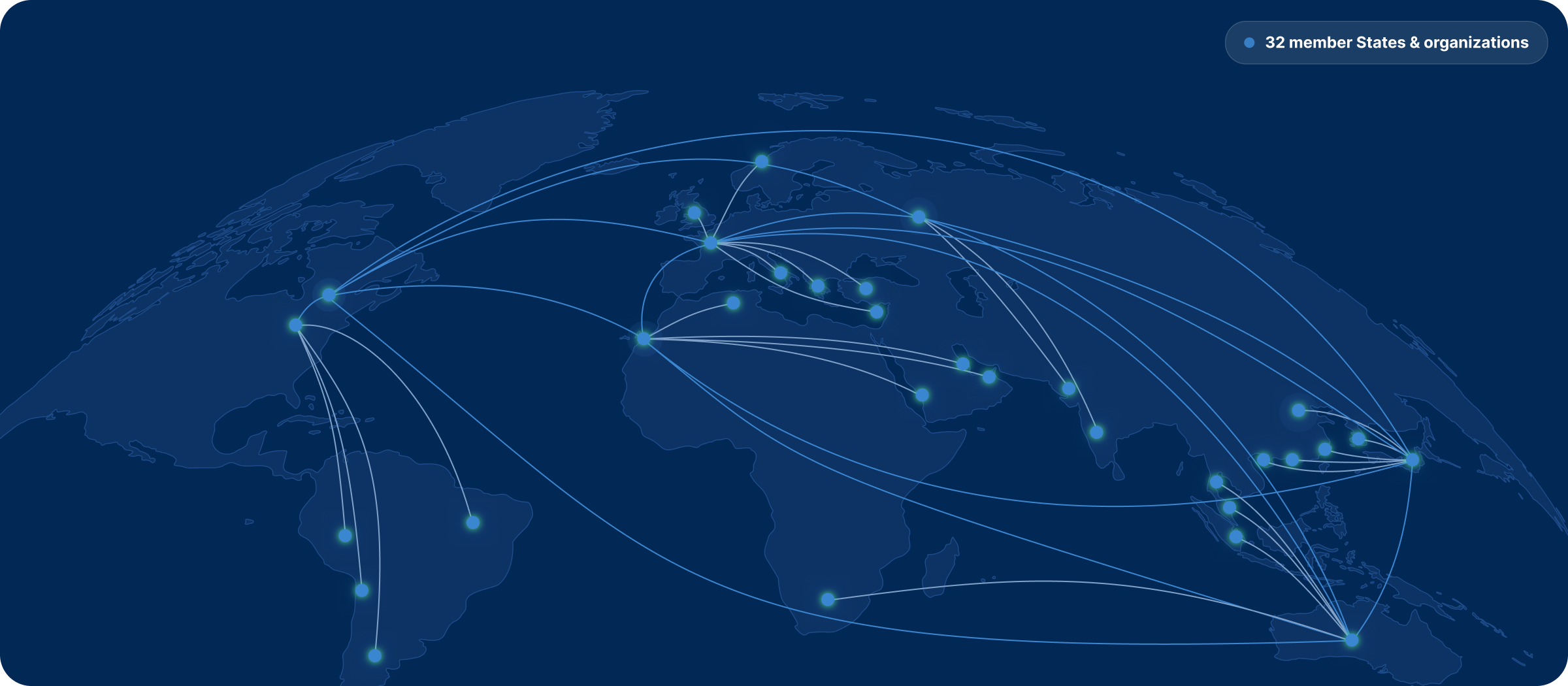
Cospas-Sarsat brings together 32 member States and organizations, working alongside international partners (ICAO’s GADSS, IMO’s GMDSS and ITU) so that a 406 MHz distress signal can travel to the people who can respond, anywhere on the planet.
member States & organizations that build and operate the system
0
countries & territories that receive distress alerts, at no cost
0 +
countries relying on the International Beacon Registration Database (IBRD)
0

How to take part

Global Search and Rescue Day belongs to everyone the system protects. Find your way in.

General public

If you explore the outdoors, sail, or fly

Register your beacon. It takes minutes, and it’s the single thing that lets the system find you. Then follow the story all month long.

Member States & MCCs

If you run an MCC/RCC

Mark the day with your own people. Host an event, share your operators’ stories, and use our ready-made social media toolkit to make it effortless.

Available soon

Partner organizations

If your organization shares our mission

Amplify the signal. One post from you reaches thousands who’d never otherwise hear it.

Share the campaign

Media

If you tell stories for a living

Our data and spokespersons are ready when you are. Reach out and we’ll get back to you quickly.

The next generation of search and rescue communication

The system that has saved tens of thousands of lives isn’t standing still. Here’s what’s coming.

Return Link Service

You'll know you've been heard

Until recently, sending a distress signal meant waiting in silence, hoping. Now a beacon can confirm your call was received and help is on the way, turning the longest minutes of someone’s life into a moment of certainty.

Second-generation beacons

You'll be found faster

The newest beacons pinpoint a location more precisely and more quickly than ever, narrowing the search area, and the time, between a distress call and a rescue.

An evolving system

The net keeps growing

More satellites, more partners, more coverage. Every year, fewer places on Earth are out of reach.

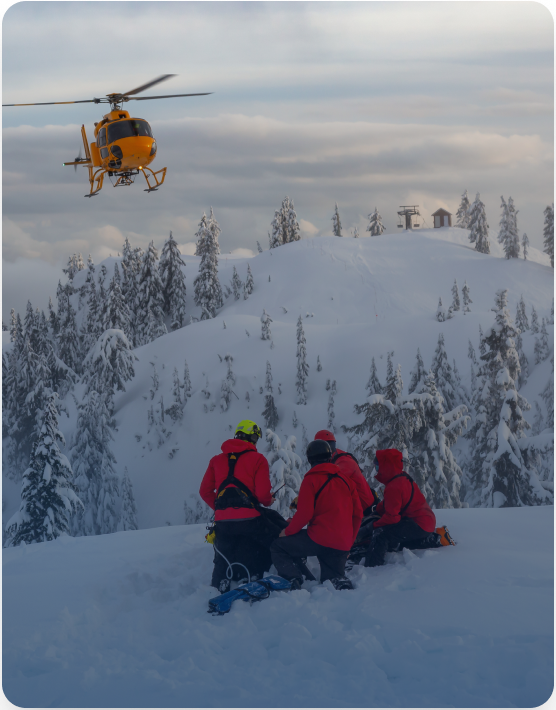
Search and rescue helicopter hovering over a snowy mountain as a SAR team prepares a rescue on Global Search and Rescue Day

10 September

Be Part of the
Safety Net.

Register your distress beacon. Share this day with the world. Together, we keep the Global SAR System strong.